

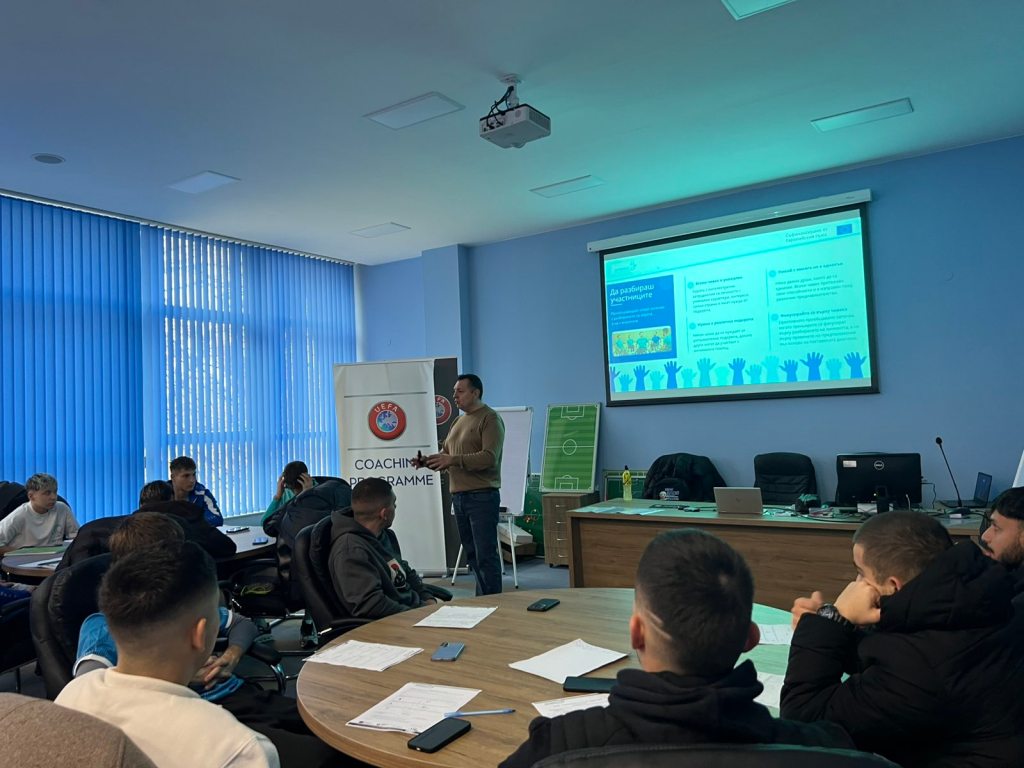
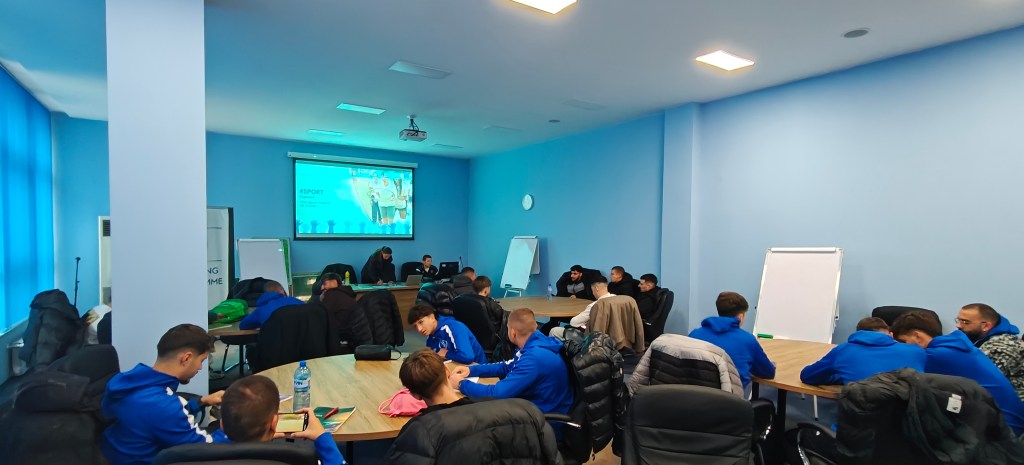
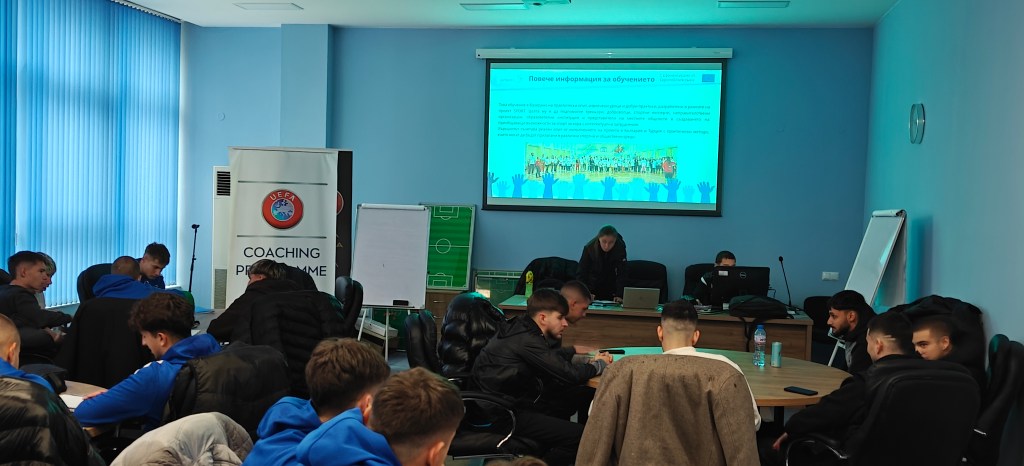
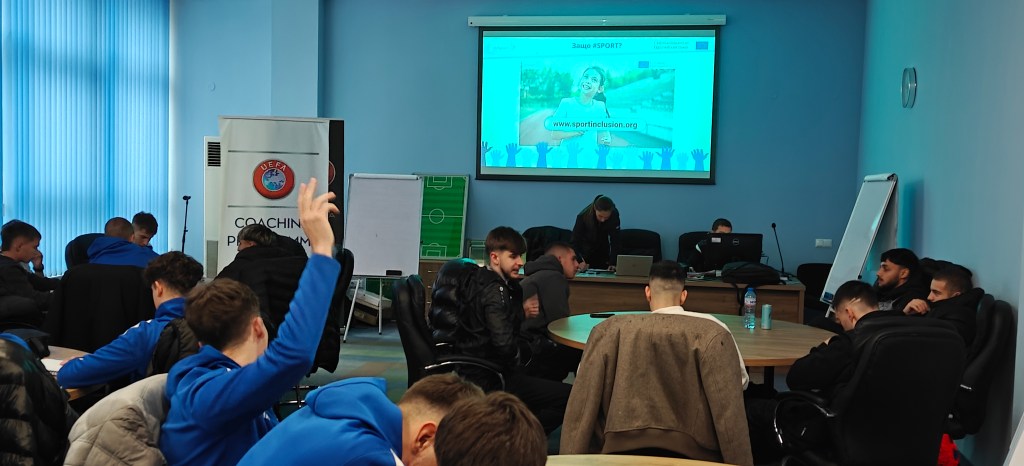
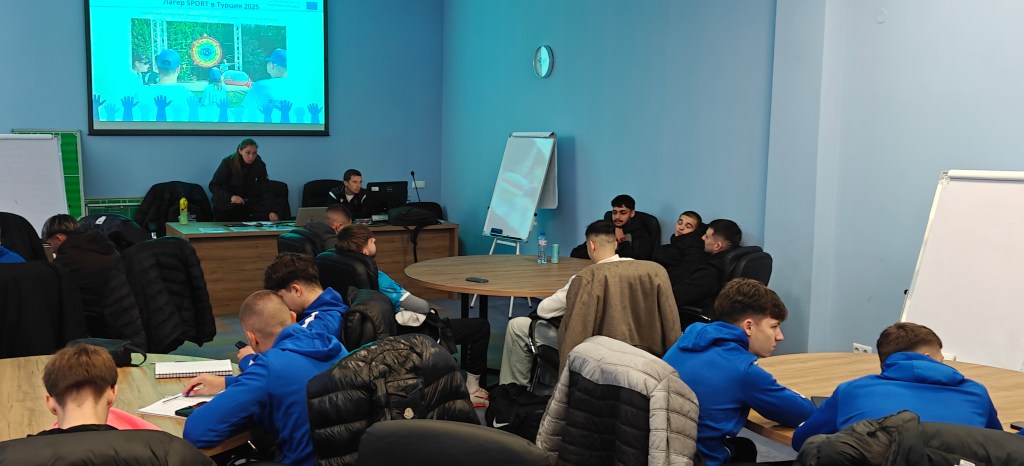
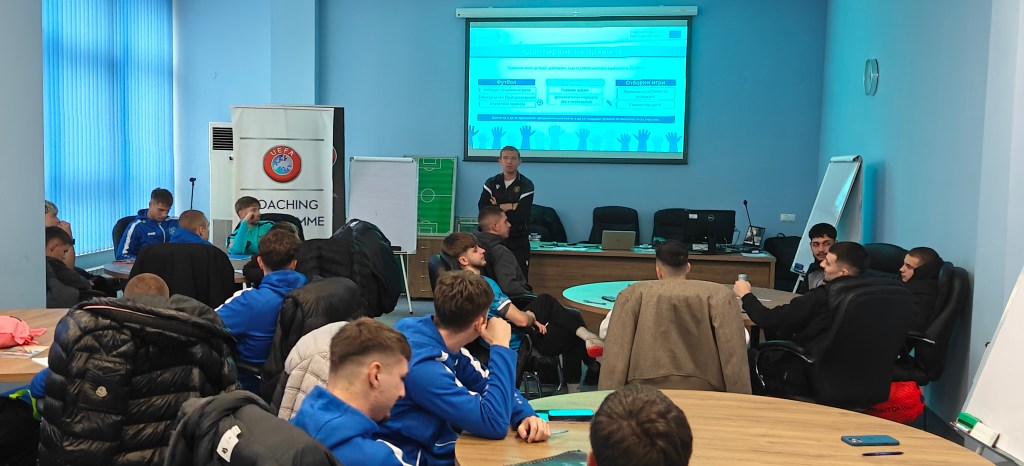
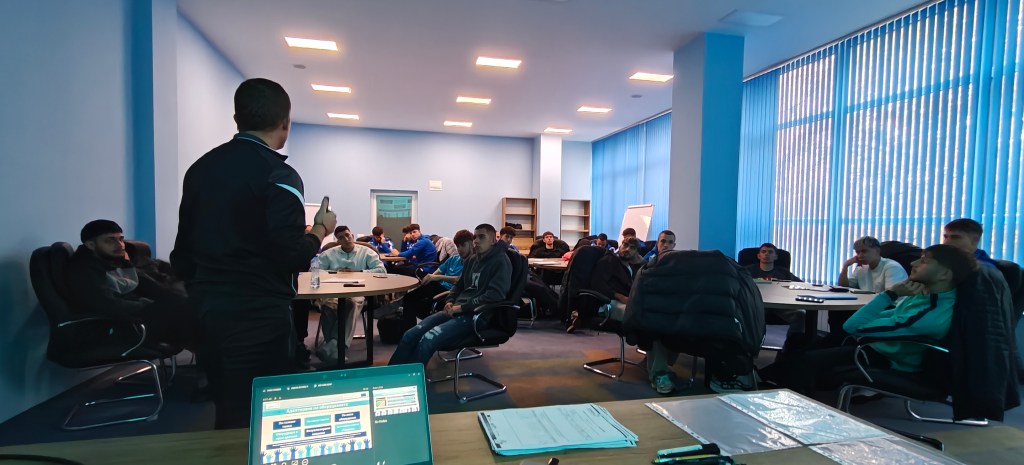
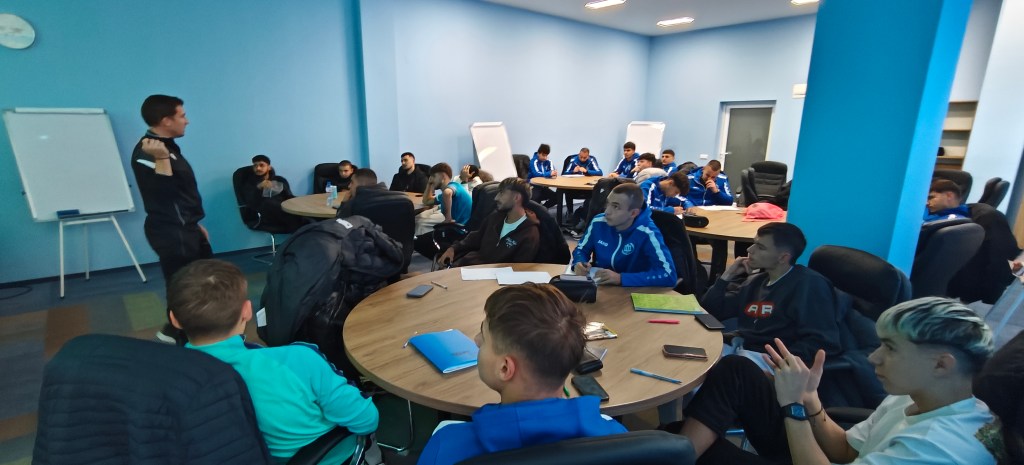
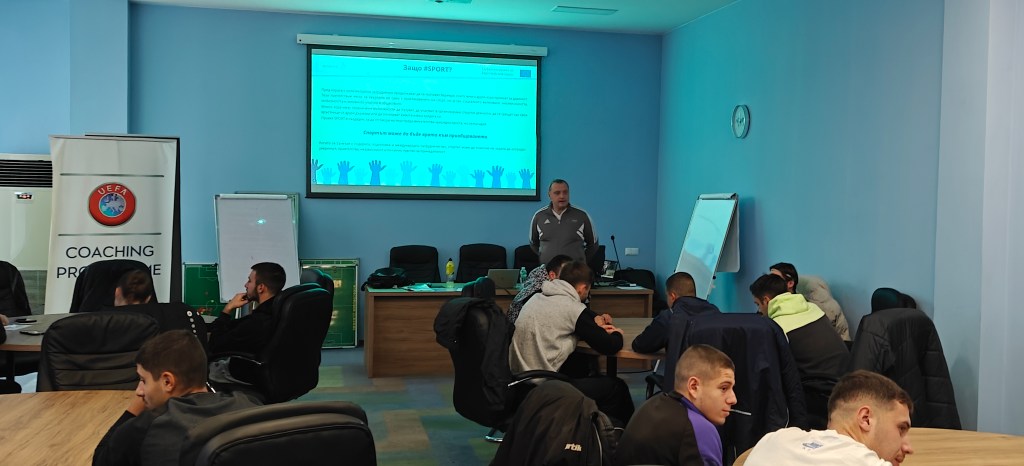
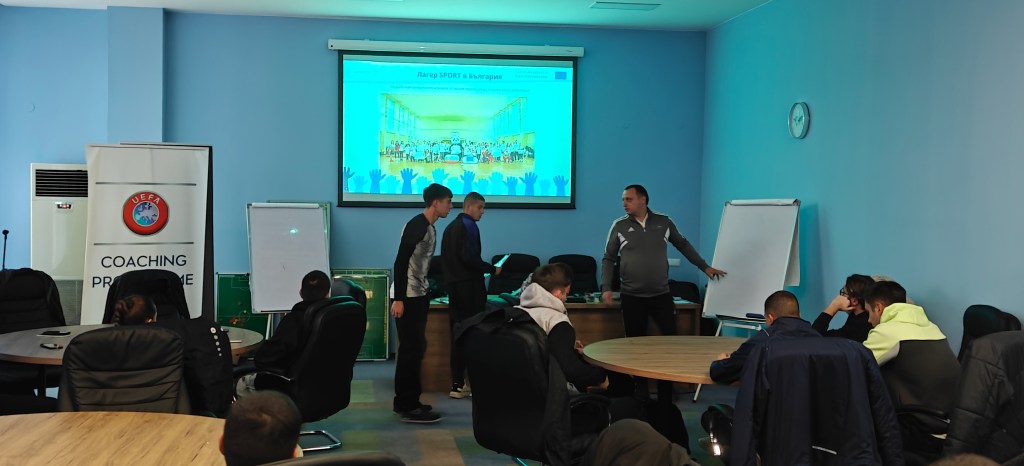
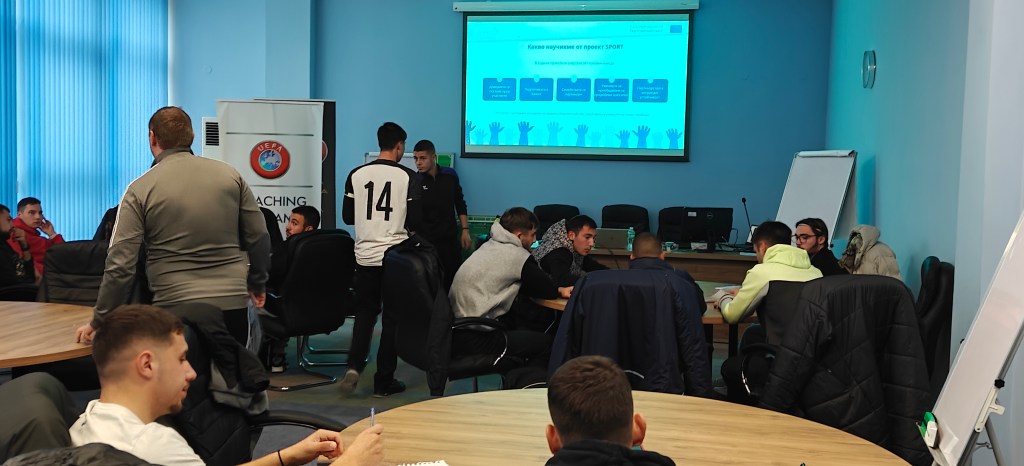
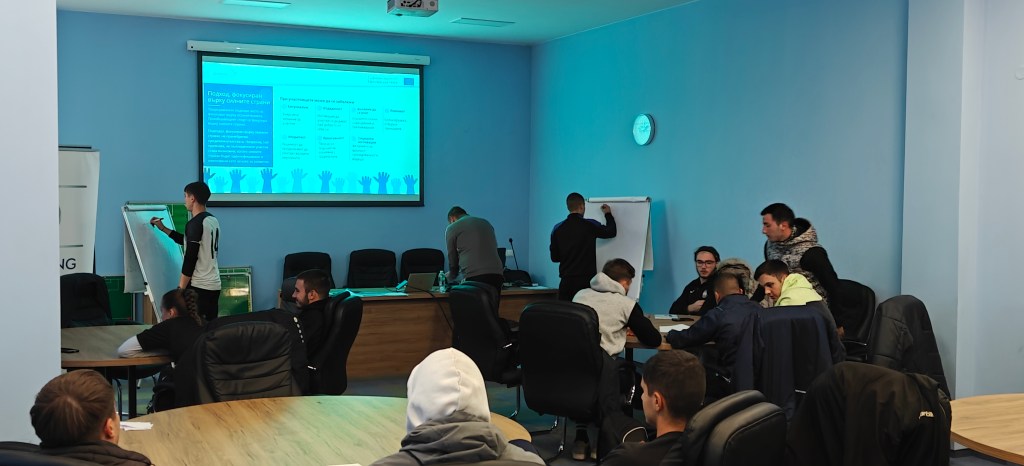
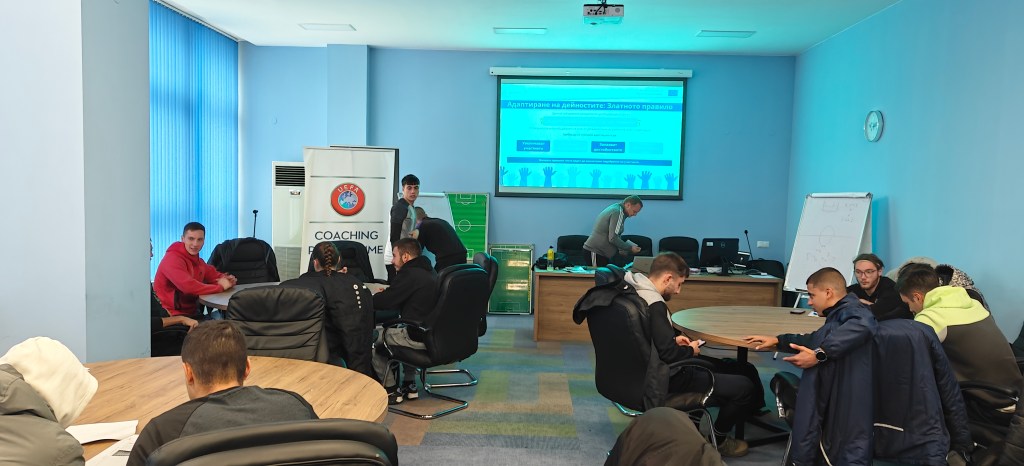
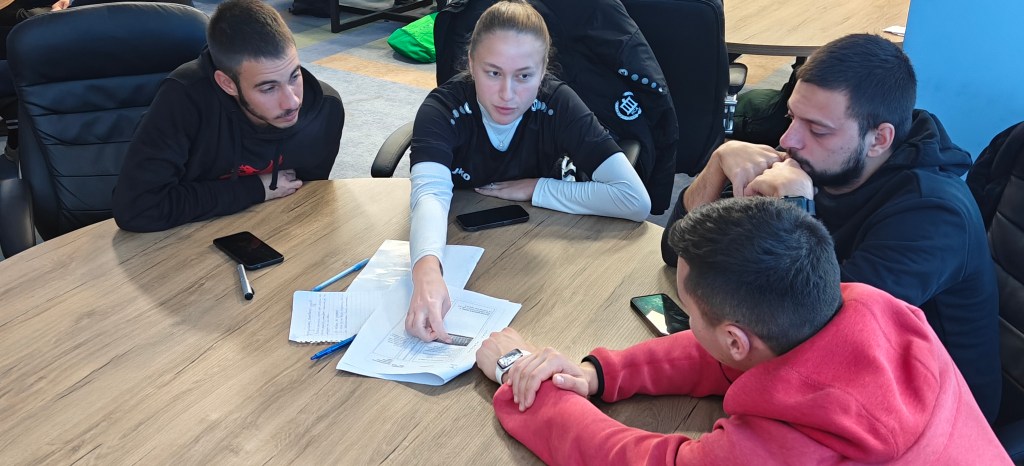
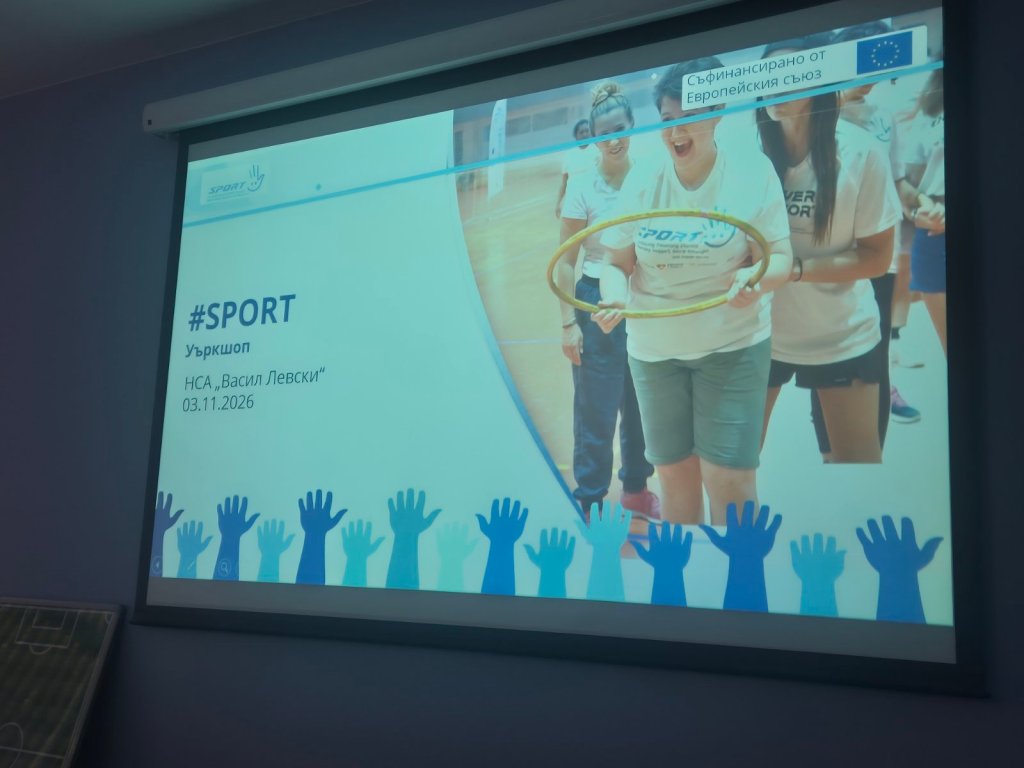
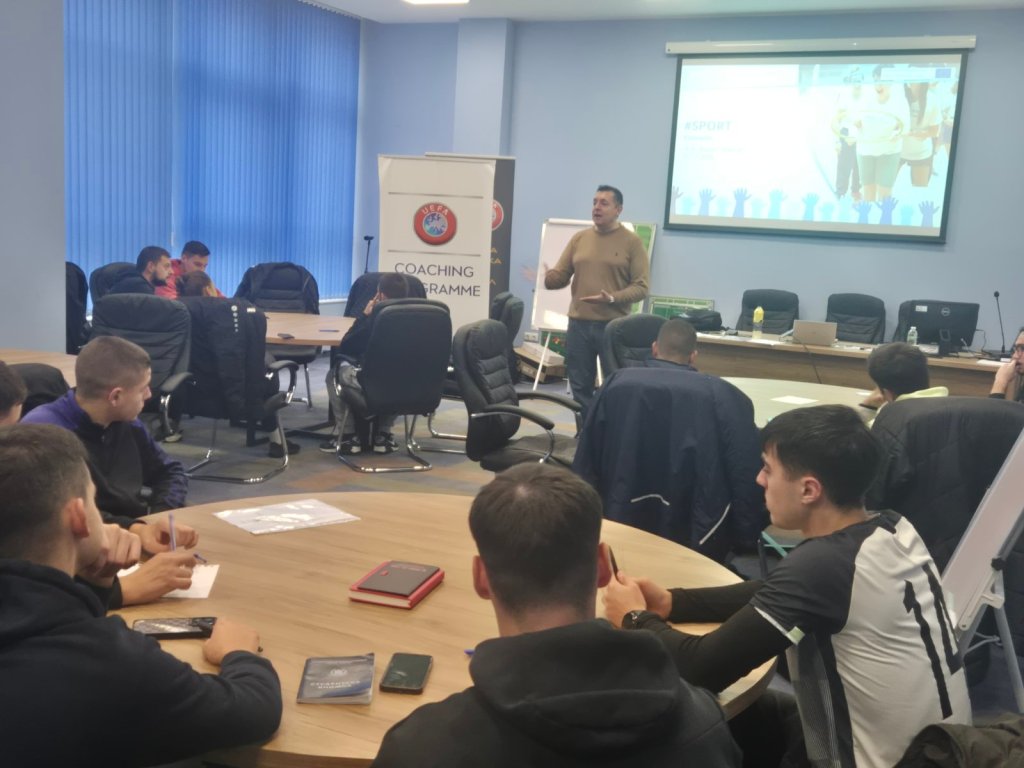
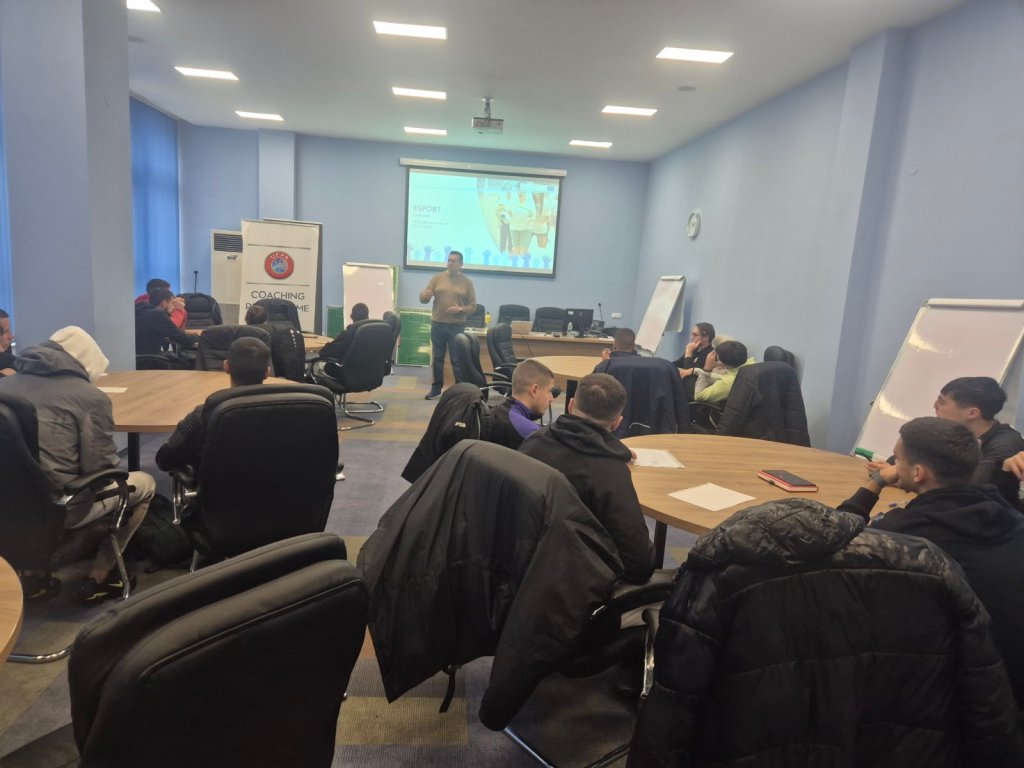
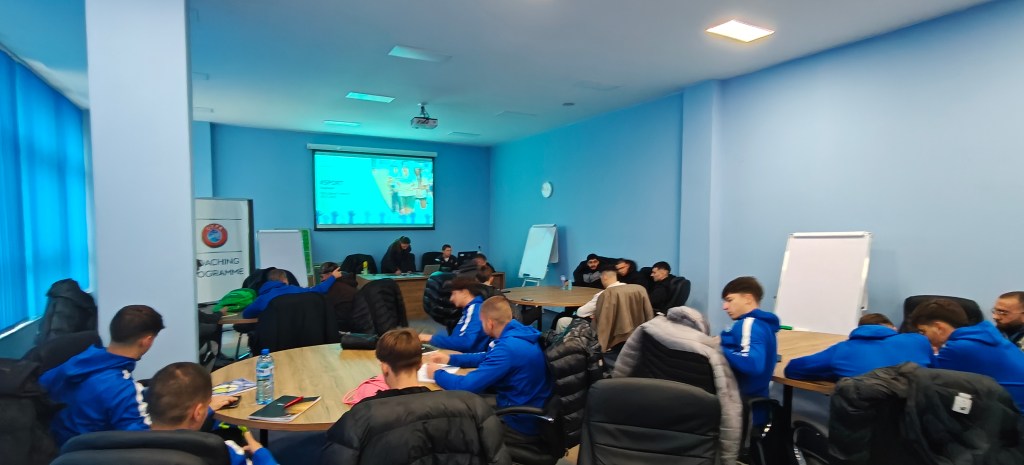
On November 3rd, 2026, a training seminar under the #SPORT – Strengthening Potentials through Opportunities, Respect, and Team-spirit project was held at the National Sports Academy “Vasil Levski” in Sofia, organised by Bulgarian sports development association (BSDA). The event brought together more than 40 sports professionals, coaches and educators, who exchanged experiences and gained practical knowledge on creating a more accessible, safe and supportive sports environment for people with intellectual disabilities.
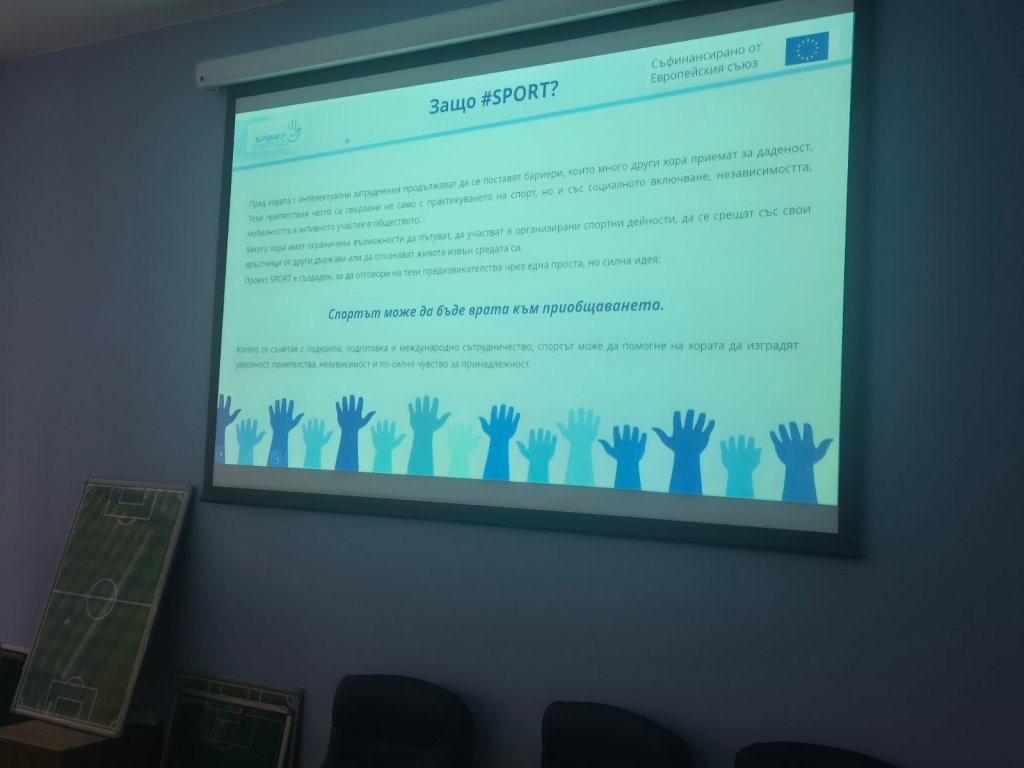
The main objective of the #SPORT project is to create more opportunities for participation in sports activities, social interaction and personal development through adapted forms of physical activity. The initiative places the potential of every individual at its core and highlights the role of sport as a means of building confidence, independence, friendships and a sense of belonging to the community.
The training began with a presentation of the #SPORT project under the motto “What We Did and What We Learned”. Through videos from the sports camps held in Bulgaria and Turkey, participants gained insight into the experiences of those involved, the organisation of activities and the practical challenges of implementing inclusive sports initiatives. The discussion that followed provided an opportunity to share observations and identify key lessons learned from the first experiences with international sports mobilities.
Emphasis was placed on the need to move beyond a general understanding of inclusion towards concrete actions in the daily work of sports organisations. Participants discussed how to identify and overcome barriers faced by people with intellectual disabilities, how to create suitable conditions for participation and how to organise sports activities so that every participant feels accepted, supported and motivated.
The agenda was organised into five thematic sessions, combining theoretical knowledge, practical tools, discussions and opportunities to exchange professional experience.
The first session focused on understanding people with intellectual disabilities as individuals with their own abilities, interests and potential. The importance of a strengths-based approach, focusing on participants’ abilities rather than their limitations, was emphasised. The session explored individual support needs, building confidence through small and significant achievements, and the role of predictability and established routines in creating a calm and supportive environment.
The second session focused on practical tools for communication, adaptation and ensuring safety. During the session, participants explored approaches to providing clear and consistent instructions, demonstrating exercises before explaining them and using visual aids. Special attention was given to adapting rules, sports equipment, spaces and the pace of activities to participants’ individual abilities. Building trust and ensuring physical and emotional safety were also discussed.
The third session explored the importance of cooperation with families, volunteers and accompanying persons. Families were presented as active partners in the inclusion process, capable of providing valuable information about participants’ preferences, needs and communication styles. Discussions covered volunteer preparation, their role as ambassadors of inclusion, peer support and opportunities to develop Unified Sports, where people with and without intellectual disabilities participate together in sports activities.
The fourth session focused on planning and delivering inclusive events and international mobilities. Participants explored the main stages of preparing sports initiatives – from the initial assessment of needs and ensuring accessibility to providing support during travel and participation in international events. The importance of considering individual experiences, respecting cultural differences and organising follow-up reflection to support learning and the sustainability of achieved results was emphasised.
The fifth session focused on measuring impact and maintaining inclusive practices in the long term. Participants discussed ways to monitor both quantitative results – the number of participants, activities carried out and levels of engagement – and qualitative changes related to confidence, social connections, independence and a sense of belonging. Tools for gathering feedback directly from participants and models of cooperation between sports organisations, families, volunteers and other stakeholders were also explored.
One of the main messages of the training was the understanding that inclusion goes beyond simply providing access to sports activities. It requires dedicated efforts to create conditions in which every individual can participate fully, make choices, develop skills and become an active member of the sports community.
The practical discussions highlighted the importance of an individualised approach, appropriate communication, adapted exercises and consistent support. The role of sports professionals in creating an environment based on respect, trust, equality and mutual support was also emphasised.
The experience gained from the sports camps in Bulgaria and Turkey provides an opportunity to identify practical solutions that can be adapted to different sports, organisations and groups of participants. In this way, the project promotes not only broader access to physical activity but also the development of professional competencies among those who organise and deliver sports activities.
The training represents an important step towards building a community of well-prepared sports professionals capable of applying inclusive approaches in their daily practice. The participation of more than 40 coaches, educators and representatives of the sports sector creates opportunities for the knowledge and tools presented during the event to reach more sports clubs, organisations and participants.
Through the implementation of the #SPORT project, Bulgarian sports development association (BSDA) reaffirms its commitment to promoting equal opportunities, overcoming social barriers and developing a sports environment where differences are embraced and individual potential is supported.
#SPORT – Strengthening Potentials through Opportunities, Respect, and Team-spirit is an initiative that demonstrates how, through targeted training, adapted sports activities and international cooperation, sport can become a powerful tool for personal development, social inclusion and building stronger, more connected communities. More information is available at www.sportinclusion.org.


Leave a Reply